
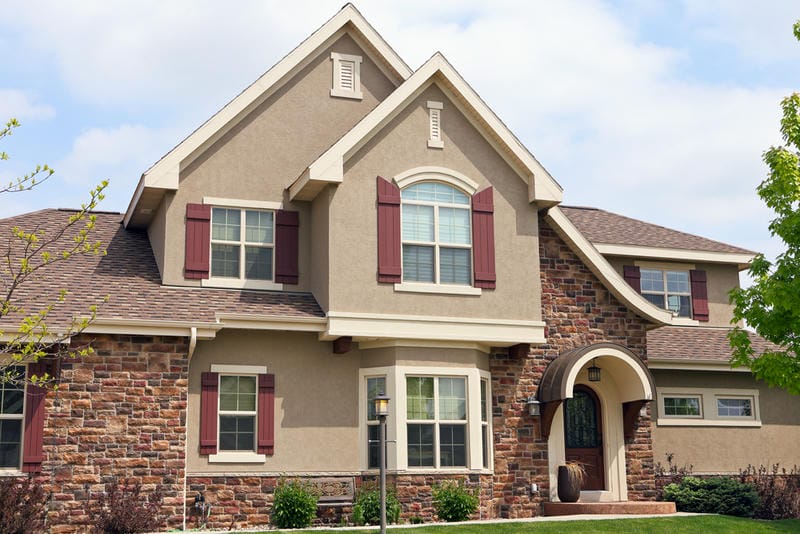
If you own a home in Bellevue, you already know that painting the exterior isn’t as simple as picking a color and grabbing a roller. Between a short painting season, HOA rules that can vary from one neighborhood to the next, and a damp climate that punishes shortcuts, exterior painting on the Eastside comes with a learning curve most homeowners only discover the hard way. This guide covers when to paint, what it actually costs, how HOA approval works in communities like Somerset and Bridle Trails, and how to avoid the kind of premature paint failure that turns a smart investment into a repeat expense.
Bellevue’s Climate Turns Timing Into a Strategy
The Pacific Northwest doesn’t make exterior painting easy. Bellevue sees roughly 38 inches of rain a year along with high baseline humidity, and both work against paint trying to cure properly. Most professionals agree the real window for exterior painting runs from late May through September, when temperatures and humidity finally cooperate. Spring offers some opportunities but comes with unpredictable rain and dew, fall narrows quickly as temperatures drop, and winter is essentially off the table since freezing temperatures can ruin latex paint before it ever finishes curing. For a deeper look at how our seasons affect scheduling, see our post on the best time to paint your house exterior in the Pacific Northwest.
Paint manufacturers also set strict rules for application. Ambient air temperature needs to sit between 50°F and 85°F, and the surface being painted needs to be above 50°F too, since a cold wall can stay chilly even on a sunny day. Humidity matters just as much: anything above 70% slows drying enough to risk a poor finish. If you’re curious how these conditions affect drying specifically, we break it down further in our article on exterior paint drying times.
Choosing Paint That Can Handle the Eastside’s Weather
Material choice matters as much as timing. Acrylic latex is the standard recommendation for siding and wood trim across Bellevue because it flexes with temperature swings and stays breathable, letting trapped moisture escape rather than blistering the paint film. Oil-based paint has fallen out of favor for large surfaces since it becomes brittle over time, but it still shows up on high-traffic elements like front doors. Homes with stucco, brick, or concrete often do best with elastomeric coatings, which apply much thicker than standard paint and create a genuinely waterproof barrier.
Cedar siding deserves special mention. It’s common throughout neighborhoods like Bridle Trails, Woodinville, and Sammamish, and its natural tannins can bleed through standard primer, leaving yellow or brown stains on an otherwise fresh paint job. The fix is a slow-dry, tannin-blocking primer made for cedar, not a quick all-purpose product. If you’re not sure what your siding needs, our exterior painting services page covers the prep work we use to get long-lasting results on Eastside homes.
What Exterior Painting Costs in Bellevue
Local pricing runs well above national averages, largely because of higher labor rates and stricter prep standards. A standard single-family repaint in Bellevue typically falls between $8,000 and $20,000, while larger estates, multi-story homes, or houses needing significant wood rot repair can run from $20,000 to $35,000 or more.
A few factors drive that range: total square footage, the height and accessibility of the home (two-story homes often carry a 40% to 60% premium over single-story, and steep hillside lots common in Somerset or Lakemont can add 80% to 120%), the type of siding, and how much prep work is needed before paint goes on. Homeowners considering DIY should know that materials alone typically run $1,500 to $3,500, on top of 60 to 120 hours of labor. Skip proper moisture testing or tannin blocking and there’s a real chance of paint failure within a couple of winters, and stripping a failed coat back off can cost $5,000 to $10,000. If you want a ballpark for your own home, our exterior painting cost calculator is a good place to start, and our financing page has options if you’d rather spread out the cost.
Navigating HOA Approval on the Eastside
Bellevue has an unusually high number of master-planned communities with active HOAs, and painting your exterior often means getting sign-off first. Washington State law (RCW 64.38) requires HOAs to process these requests within a “reasonable procedure,” which most governing documents define as a 30 to 60 day window.
Most communities handle approval one of two ways. Many, including large parts of Somerset and Sammamish, maintain a pre-approved color book with 15 to 40 acceptable combinations, and choosing from that list usually means simple notification rather than a full committee review. If you want a color outside the book, or you live somewhere with a custom architectural review process, you’ll need to submit a full application to the Architectural Review Committee with paint names, sheen levels, and often physical color chips.
Every community also has its own personality when it comes to color. Somerset favors muted earth tones that blend into its hillside setting. Bridle Trails leans toward cedar-coordinated colors and deep, mossy greens that disappear into the tree canopy. Surrey Downs cares most about maintaining a cohesive mid-century look near downtown. Lakemont and Newport Shores tend to require the most detailed design review submissions of all.
Because of these timelines, a good rule of thumb is to start planning in early spring for a summer project. Review your CC&Rs and pick colors in month one, submit your ARC application in month two, get written approval and lock in a contractor in month three, then paint during the optimal window in months four and five.
Permits, Historic Homes, and Lead Paint Rules
Routine repainting usually doesn’t require a city permit in Bellevue, but a few situations will trigger one: replacing significant sections of siding or sheathing, repairing structural rot rather than just cosmetic damage, or placing scaffolding in a way that blocks the public right-of-way. Homes inside a designated historic district face additional review to keep any changes consistent with the home’s original era.
If your home was built before 1978, federal law adds another layer. The EPA’s Renovation, Repair, and Painting rule requires any contractor disturbing more than 20 square feet of exterior paint on an older home to be an EPA Lead-Safe Certified firm, with testing done before any sanding or scraping begins. This isn’t optional, and it’s worth asking about directly when you’re vetting contractors.
2026 Color Trends for Eastside Homes
Cool grays dominated the last decade, but Bellevue homeowners are shifting toward warmer, more organic palettes that feel at home against the Pacific Northwest’s evergreen backdrop. Earthy greens and sage tones (think Sherwin-Williams Pewter Green or Acacia Haze) are especially popular right now, along with warm off-whites like Benjamin Moore White Dove that avoid looking sterile under our frequently overcast skies.
A simple 60/30/10 split, meaning roughly 60% of the visible exterior in your main color, 30% in trim, and 10% in a bold accent like a front door, tends to look the most intentional. It’s also worth factoring in which direction your home faces: north-facing walls get cooler light and often need a warmer undertone to balance out, while south-facing walls take a beating from direct sun and need a UV-resistant paint to avoid premature fading.
Vetting a Painting Contractor
Given how much money and structural risk is involved, it’s worth checking a few things before signing a contract. In Washington, painting contractors must be actively registered with the Department of Labor and Industries, carry a continuous surety bond, hold general liability insurance, and provide state-mandated workers’ compensation coverage. Reputable companies also carry inland marine coverage to protect equipment on your property. Always ask for a Certificate of Insurance that lists you as an additional insured before letting anyone start work.
The Bottom Line
Exterior painting in Bellevue rewards homeowners who plan ahead. Between our narrow weather window, HOA approval timelines, and the specific demands of cedar siding, rushing the process is usually what leads to disappointing results. If you’d rather skip the guesswork, get in touch for a free quote and we’ll walk you through timing, color options, and what your specific home will need.